top of page

Search
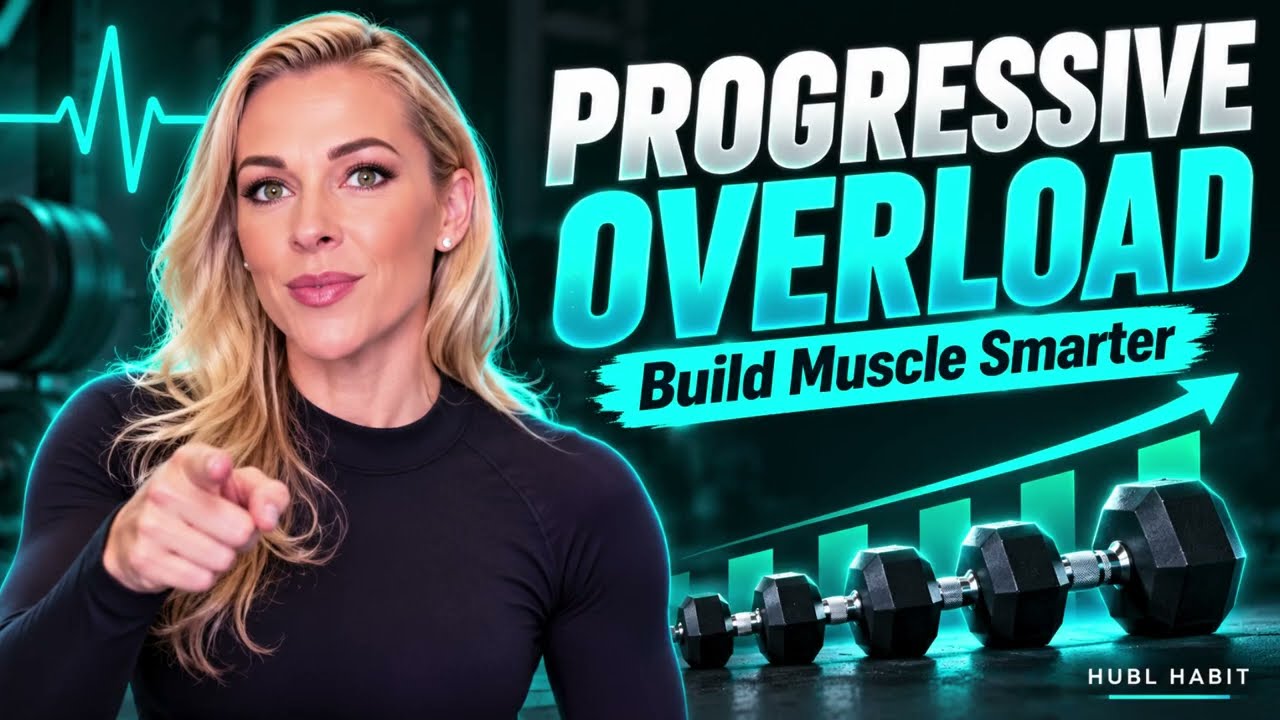
Progressive overload without the gym
Still lifting the same weights you were 6 months ago? 👀 That may be exactly why your body stopped changing. If you want to build muscle, get stronger, improve body composition, and maintain functional strength as you age, your workouts need a reason for your body to adapt. That’s where progressive overload comes in. Progressive overload simply means gradually increasing the challenge placed on your muscles over time. And no — it doesn’t mean you have to lift insanely heavy w

Jennifer Lee Hubl
Oct 51 min read

Hubl Habit Featured in Wellness Magazine ❤️ + What’s Coming Next
I’m incredibly grateful to share that Hubl Habit was recently featured in @WellnessMagazine❤️ The article highlights the mission behind Hubl Habit: helping people take a more proactive approach to cardiovascular health through practical fitness, Mediterranean-inspired nutrition, and heart-health education. And we’re just getting started. Coming to Hubl Habit: ⚡ The Vital 10 — focused 10-minute workouts for busy days or as an add-on to your current training, including cardio,
Jennifer Lee Hubl
Sep 211 min read

new exercise guidelines for longevity
A recent study in the British Journal of Sports Medicine found that 560–610 minutes of moderate-to-vigorous exercise per week was linked with a greater than 30% reduction in cardiovascular risk — including heart attack and stroke. The standard 150 minutes per week still helped, but the benefit was more modest. But before you panic… this is not a message to chase perfection. This is a message to move more consistently. You do not need to get all of that exercise in one perfect
Jennifer Lee Hubl
Jul 71 min read

VO2 MAX - LONGEVITY PREDICTOR
What if one of the strongest predictors of longevity wasn’t your weight… …but your VO₂ max? VO₂ max measures how efficiently your body uses oxygen during exercise — and it gives us insight into how well your heart, lungs, blood vessels, and muscles are working together. And here’s the good news: You don’t have to train like an athlete to improve it. One of the best places to start is with Zone 2 cardio. Zone 2 is that steady, sustainable pace where you’re working, breathing i
Jennifer Lee Hubl
Jun 161 min read

Want a Stronger Heart? Try This.
Want to improve your heart health, boost VO₂ max, and get more out of your cardio in less time? In this video, I break down the Norwegian 4x4 Protocol — one of the most effective, science-backed interval training methods for improving cardiovascular fitness and longevity. As a cardiac sonographer and trainer, this is one of my favorite ways to help people strengthen their heart, improve endurance, and train with purpose. ❤️ What You’ll Learn: ✔️ What the Norwegian 4x4 protoco
Jennifer Lee Hubl
Apr 221 min read

Cardiac bloodwork
❤️ The Blood Tests That ACTUALLY Reveal Your Heart Health Most people think heart health is just about cholesterol… 👉 But that’s only part of the story. You could have “normal” cholesterol and still be at risk. These are the 6 blood tests that give you the REAL picture 👇 🧪 1. ApoB The number of cholesterol particles that can clog your arteries. 👉 More particles = higher risk(Even if your cholesterol looks “fine”) 🧬 2. Lipoprotein(a) — Lp(a) A genetic cholesterol marker.
Jennifer Lee Hubl
Apr 61 min read

UNSTOPPABLE VITALITY - A NEW PROGRAM INSIDE THE HUBL HABIT APP
What if the next 10 weeks completely changed how you feel? More strength. More energy. Better cardiovascular fitness. That’s exactly why I created Unstoppable Vitality. This new program inside the Hubl Habit App combines the training styles that support real, lasting health: 🔥 High-intensity cardio to challenge your heart 💪 Resistance training to build strength and metabolic health 🧘 Pilates for mobility, balance, and core strength ⚡ Two Vital Sculpt workouts every week Ev
Jennifer Lee Hubl
Mar 111 min read

THE TOP 3 HEART HEALTHY DIETS
❤️ Your heart doesn’t need a perfect diet — it needs a sustainable one. If your goal is lower cholesterol, better blood pressure, and long-term heart health, the research is clear: the healthiest diets all share the same foundation. 🥦 Vegetables & fruits🌾 Whole grains🥜 Nuts & legumes🐟 Lean proteins (especially fish)…and fewer processed foods, sugary drinks, refined carbs, and processed meats. The three eating patterns consistently recommended by heart specialists include:
Jennifer Lee Hubl
Feb 101 min read

THE BENEFITS OF CARDIOVASCULAR EXERCISE -- part 1
Cardio isn’t just about burning calories — it’s the closest thing we have to a real longevity drug. 💊✨ Imagine a “medicine” that strengthens your heart, lowers disease risk, boosts energy, sharpens your mind, and helps you live longer — with zero negative side effects. It exists… and it’s called cardiovascular exercise. Longevity expert Dr. Peter Attia says it best: 👉 “The path to a healthy heart starts with one thing: a good sweat.” In fact, high cardiorespiratory fitness
Jennifer Lee Hubl
Dec 2, 20251 min read

INSULIN RESISTANCE MADE SIMPLE
🍬🚪 Insulin Resistance Explained — The Doorway to Energy (and Disease) Have you ever wondered what really happens when your body becomes insulin resistant? In this video, we’ll break it down visually — using a fun animation that shows how sugar (glucose) tries to enter your cells with the help of insulin, but can’t get in when those doors stop responding. 💡 Over time, this resistance leads to elevated blood sugar, weight gain, inflammation, and even early cardiovascular di
Jennifer Lee Hubl
Nov 14, 20251 min read
bottom of page